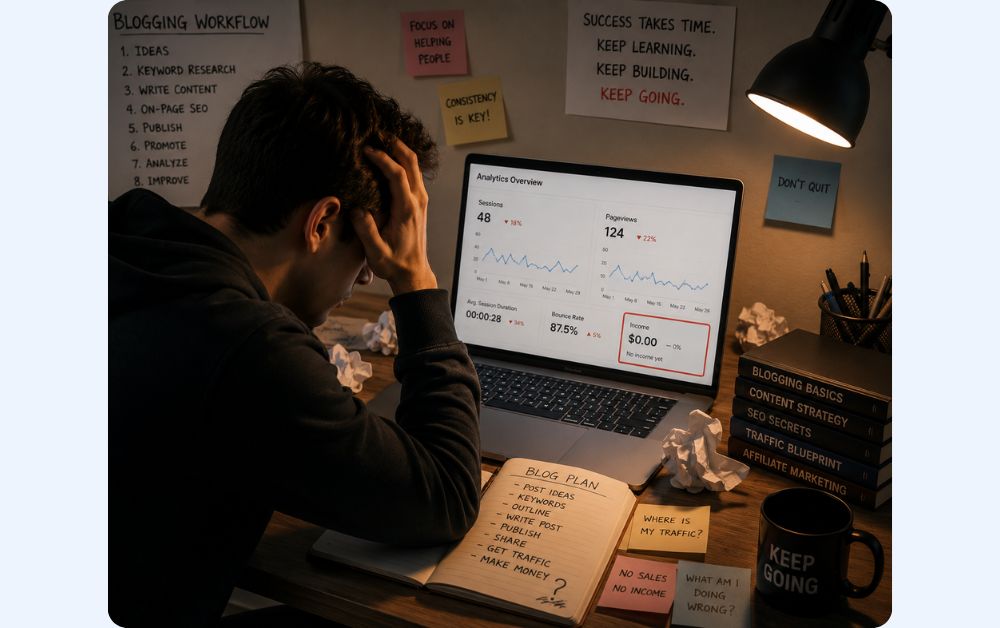
A lot of people start blogging with genuine excitement.
The idea sounds simple:
- write helpful content,
- get traffic from Google,
- add a few links,
- and eventually earn passive income.
That’s the dream most beginners see online.
But after a few months…
reality usually feels very different.
The blog gets:
- a few visitors,
- maybe some impressions,
- maybe even a few clicks…
but no real income.
And eventually the same question appears:
“Why is my blog not making money?”
The truth is…
most blogs don’t fail because people are lazy.
They fail because important pieces are missing behind the scenes.
This is probably the biggest mistake.
Many bloggers think:
More traffic = more money
But traffic alone doesn’t create income.
A blog can get thousands of visitors and still make almost nothing.
Why?
Because visitors arrive… read… and leave.
There’s no system:
- capturing emails,
- building trust,
- or guiding readers anywhere.
That’s why blogs with smaller audiences sometimes earn more than larger ones.
They have structure behind the traffic.
2. They Never Build an Email List
This mistake quietly destroys long-term growth.
A visitor reads your article today…
and disappears forever tomorrow.
- there’s no follow-up,
- no relationship,
- and no returning audience.
Even a simple email form can completely change how a blog performs long-term.
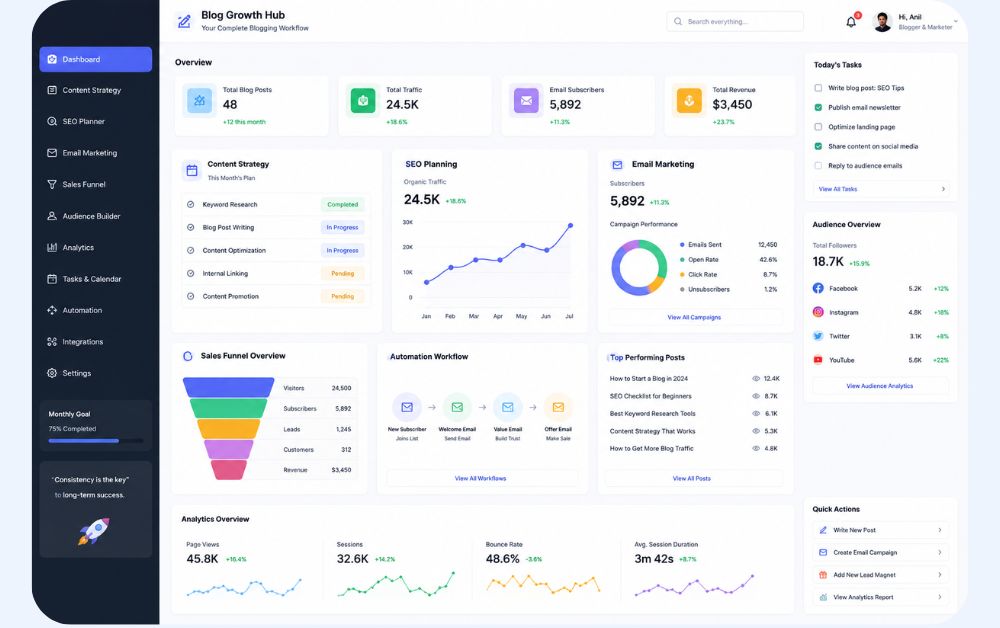
This is one reason many bloggers eventually start using funnel-based systems instead of relying only on traditional blog layouts.
Platforms like Systeme.io make this process easier because:
- blogs,
- landing pages,
- funnels,
- and email automation
can work together inside one system.
That removes a lot of technical friction for beginners.
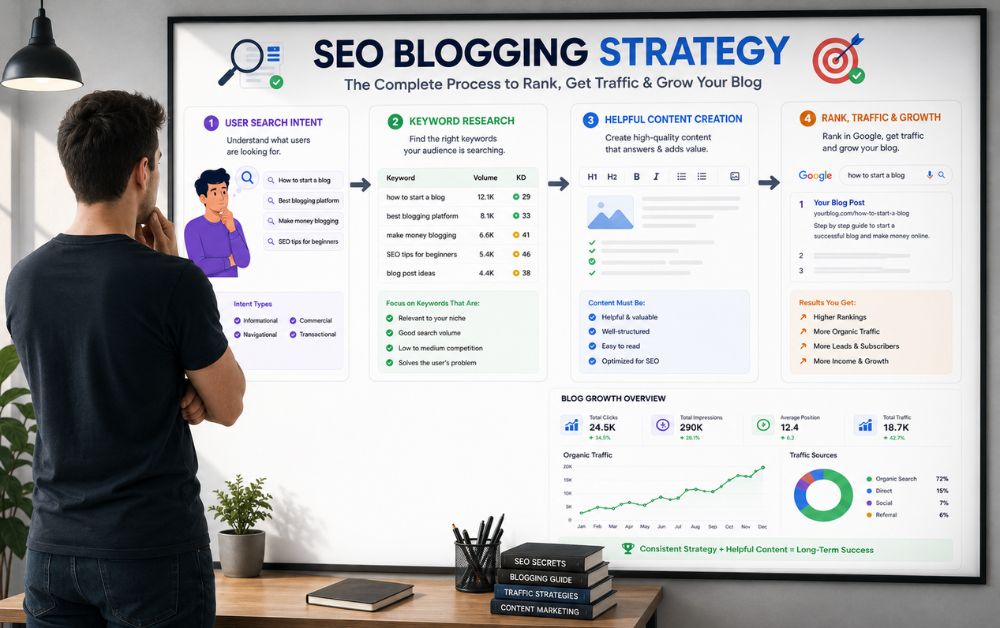
3. They Write Without Understanding Search Intent
Some bloggers publish content based only on what they want to write.
But Google ranks pages that solve clear user problems.
For example:
❌ “My Thoughts About Marketing”
✔ “7 Funnel Mistakes Beginners Make”
One is broad.
The other solves a specific problem.
That difference matters.
Good blog posts usually answer:
- a question,
- a frustration,
- or a clear need.
The more practical the content feels, the better it performs over time.
4. They Don’t Build Trust First
Most visitors are not ready to buy immediately.
Especially from someone they just discovered online.
But many blogs instantly push:
- affiliate links,
- products,
- or aggressive calls-to-action.
That creates resistance.
Helpful blogs work differently.
They:
- explain clearly,
- solve problems naturally,
- and build trust before asking for anything.
That’s why educational content tends to perform better long-term.
5. Their Workflow Becomes Too Complicated
This happens more often than people admit.
A beginner starts using:
- one tool for blogging,
- another for email marketing,
- another for landing pages,
- another for automation.
Eventually everything feels disconnected.
Instead of creating content…
they spend hours trying to manage software.
That’s why many creators eventually move toward simpler all-in-one systems.
Not because they need “more features”…
but because they need less complexity.
6. They Publish Without a Clear Goal
A surprising number of blogs have no direction.
Every article talks about something different.
One day:
- productivity.
Next day:
- crypto.
Then:
- fitness.
Then:
- online business.
Google struggles to understand the site.
Readers do too.
Successful blogs usually stay focused around:
- one audience,
- one topic category,
- and one overall direction.
That consistency builds authority over time.
7. They Expect Results Too Quickly
This mistake destroys motivation more than anything else.
Someone writes:
- 5 blog posts,
- waits two weeks,
- and expects massive traffic.
But blogging usually works slower than people expect.
Google needs time to:
- understand content,
- trust the website,
- and evaluate consistency.
Most blogs grow gradually.
The creators who succeed are usually the ones who continue publishing even before results appear.
Consistency matters far more than short bursts of motivation.
8. They Ignore the Visitor Journey
Many blogs have:
- articles,
- menus,
- and sidebars…
but no real path for the reader.
Visitors finish reading and think:
“Okay… now what?”
That’s where funnels become important.
Instead of random navigation, readers are guided naturally toward:
- another helpful page,
- an email signup,
- or additional resources.
This creates direction instead of confusion.
Even simple funnels can dramatically improve blog performance.
9. They Build Content Without a Real System
This is the biggest lesson many bloggers eventually learn.
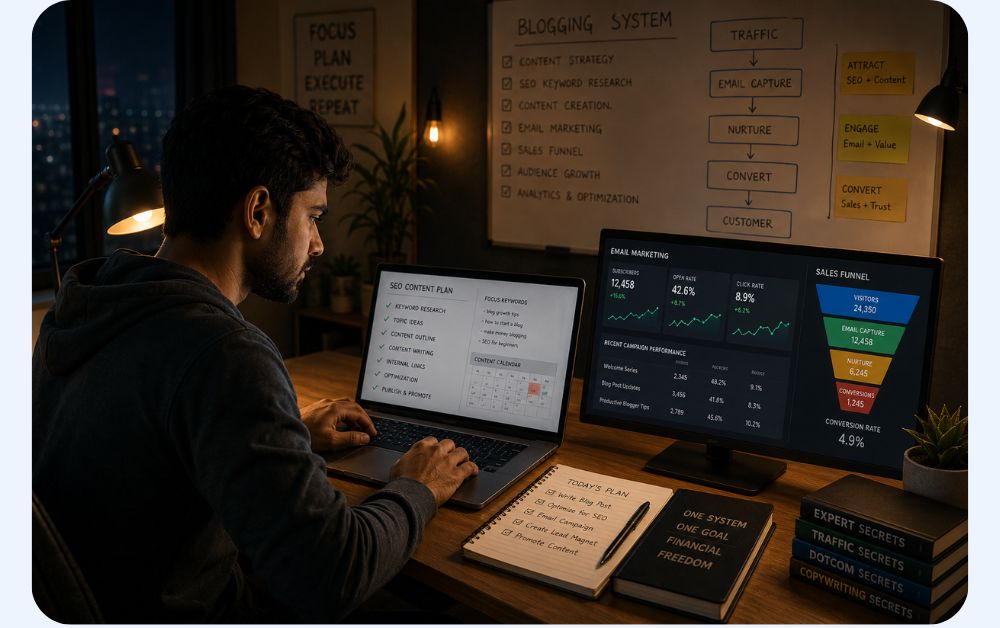
A blog alone is not a business.
It’s one part of a system.
Successful blogging usually combines:
- content,
- email marketing,
- funnels,
- automation,
- and audience building together.
That’s why many creators eventually stop relying only on traditional blogging setups and start building more connected systems around their content.
Final Thoughts
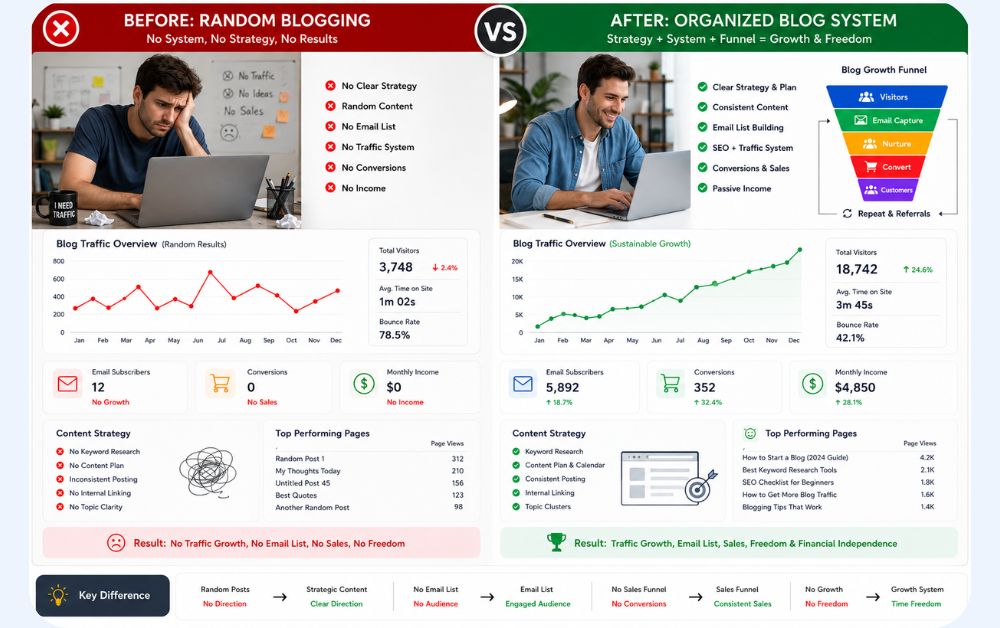
Most blogs don’t fail because the content is bad.
They fail because:
- there’s no structure,
- no follow-up,
- and no long-term system behind the traffic.
That’s why modern blogging is slowly shifting.
It’s no longer just about publishing articles.
It’s about:
- building trust,
- guiding readers,
- and creating systems that continue working after visitors arrive.
And honestly…
that small mindset shift changes everything.
At the end of the day…
traffic is important.
But without a system behind it…
even good blogs struggle to make money.